

When companies buy back their own shares, the shares remain listed as issued, even though they are not classified as “treasury shares” because the company may resell them. For a small, closely held corporation, the original owners may hold all the issued shares. A company may authorize buying back some of its own shares in the market if they believe that the market is undervaluing them and there is enough cash on the balance sheet to do so. The number of shares outstanding can also be reduced via a reverse stock split.

Thanks to the SEC, common stock outstanding is straightforward to calculate
But for mature companies with relatively little movement in share count (either basic or diluted), quarterly and annual data from public sources should easily suffice for solid fundamental analysis. For a loss-making company, the diluted share count will reduce loss per share, since the net loss is being spread over a larger amount of shares. Options and warrants are one aspect of the difference between basic shares outstanding and diluted shares outstanding. Conversely, the outstanding number of shares will decrease if the company buys back some of its issued shares through a share repurchase program. The shares available to investors on the open market are commonly called the float.
Difference Between Shares Issued and Outstanding
When this takes place, a company’s outstanding shares increase, and a higher degree of liquidity results. By contrast, a reverse stock split occurs when a company seeks to elevate its share price. Often, a company does this to meet listing requirements, which often require a minimum share price. The number of shares outstanding increases whenever a company undertakes a stock split. Stock splits are usually undertaken to bring the share price of a company within the buying range of retail investors; the increase in the number of outstanding shares also improves liquidity.
- Stock options will be exercised; restricted stock may vest after executives hit certain targets.
- Outstanding shares differ from treasury shares, which are the shares held by the company itself and which cannot be sold in the open market.
- All companies must report their common stock outstanding on their balance sheet.
- In the above example, if the reporting periods were each half of a year, the resulting weighted average of outstanding shares would be equal to 150,000.
- These include a company’s market capitalization, such as market capitalization, earnings per share (EPS), and cash flow per share (CFPS).
- Issued shares are those the owners have decided to sell in exchange for cash, which may be less than the number of shares actually authorized.
Look at the Preferred Stock Line Item
The outstanding stock is equal to the issued stock minus the treasury stock. Market capitalization is calculated by multiplying the company’s share price by its shares outstanding. The purpose of the repurchase can also be to eliminate the shareholder dilution that will occur from future ESOs or equity grants.

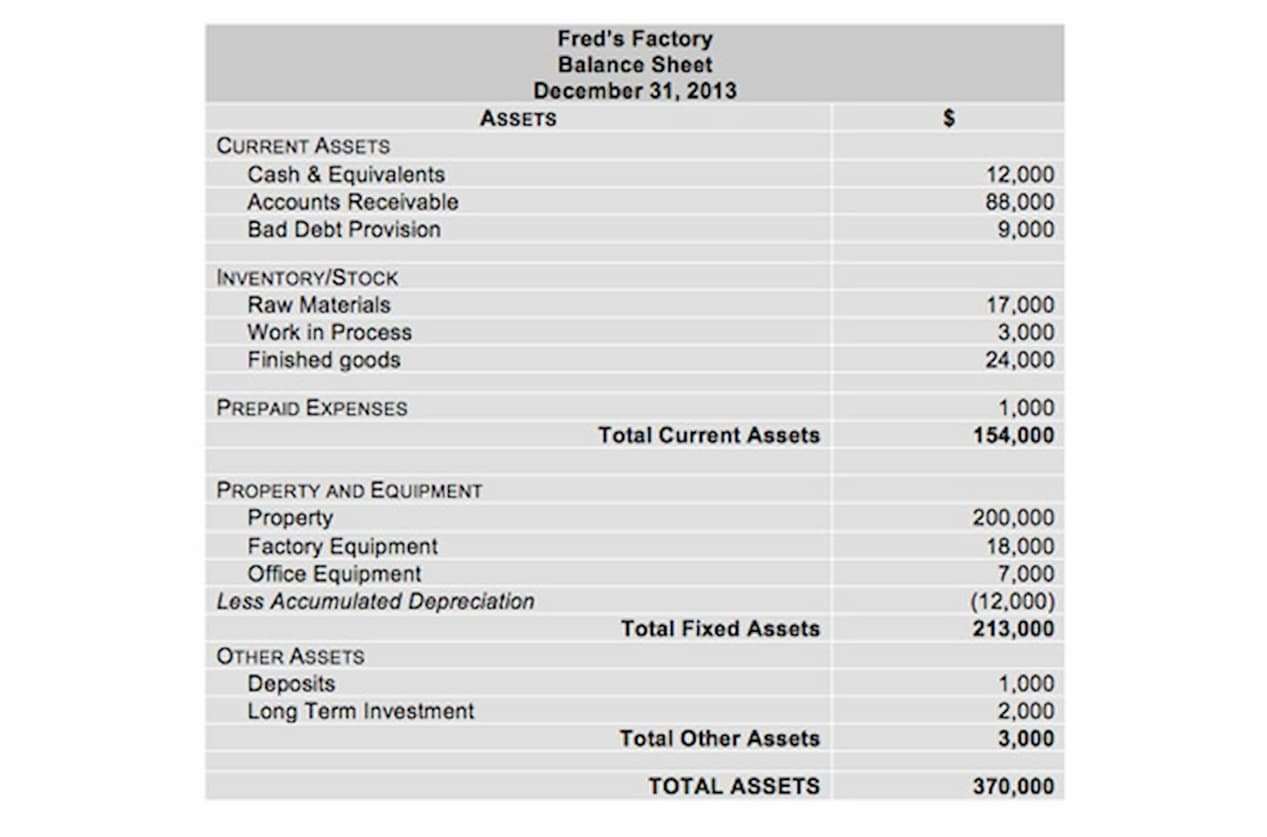
It is a less-commonly used number in the financial reporting of privately-held businesses. Companies that have publicly traded stocks in the United States are required to file public financial disclosures to the Securities and Exchange Commission (SEC) which include the company’s balance sheet. You can also find the company’s balance sheet in its annual report, which can often be found on the company’s website. The balance sheet is a financial statement issued by the company that provides a full accounting of the company’s assets, liabilities, and shareholder’s equity at a particular moment in time. In other words, the balance sheet is a snapshot of what a company owns, what it owes, and the total amount that has been invested by shareholders.
Four extra recommendations for your investments
A stock split occurs when a company increases its shares outstanding without changing its market cap or value. While shares outstanding account for company stock that includes restricted shares and blocks of institutional shares, floating stock specifically refers to shares that are available for trading. Floating stock is calculated by taking outstanding shares and subtracting restricted how to calculate common shares outstanding shares. Restricted stock are shares that are owned by company insiders, employees and key shareholders that are under temporary restriction, and therefore cannot be traded. Ownership of a corporation is typically determined by examining who holds the issued shares. This includes shares distributed during the company’s initial startup phase or through secondary offerings.
- This approach, called the “working model” calculation, forecasts potential changes in shareholder positions based on the total number of shares a company may issue, along with those already issued.
- Explore how corporations authorize and calculate issued shares through market cap and balance sheet methods.
- Companies typically issue shares when they raise capital through equity financing or when they exercise employee stock options (ESOs) or other financial instruments.
- The company has 4.32 billion authorized common shares, of which 3,119,843,000 have been issued as of December 31, 2014.
- For example, the opening figure of 500,000 remained unchanged for 3 months (i.e., 25% of the total time of the year) until the start of the second quarter, after which it changed.
- A significant change in outstanding shares, such as through a stock buyback or issuance, can signal strategic shifts and impact investor sentiment.
- If a startup issues 10 million shares out of 20 million authorized shares to an owner, and the owner’s shares are the only ones issued, the owner controls 100% of the corporation.
- Other companies may explicitly list their outstanding shares as a line item in the equity section of their balance sheet.
- Alternatively, outstanding shares are issued shares minus any shares in the treasury.
- Often, a company does this to meet listing requirements, which often require a minimum share price.
- Outstanding shares refer to the authorized shares that have been issued to a company’s shareholders, excluding the treasury stock retained by the company itself.
- Shares outstanding refers to the number of shares of common stock a company has issued to investors and company executives.